
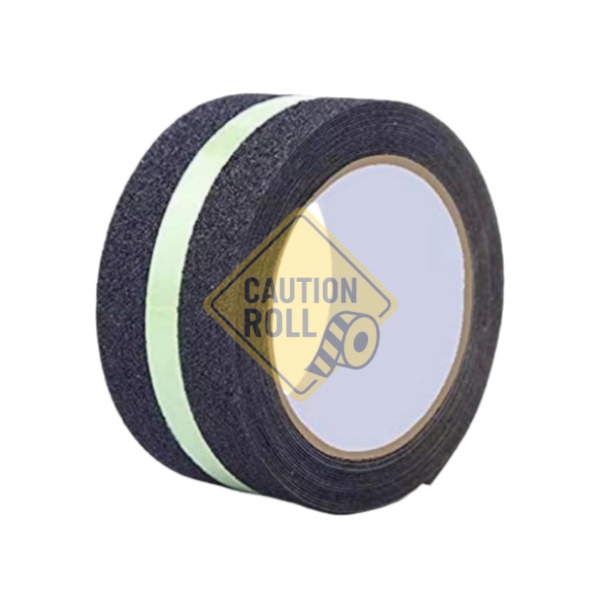
Non Slip Grit Tape (4)
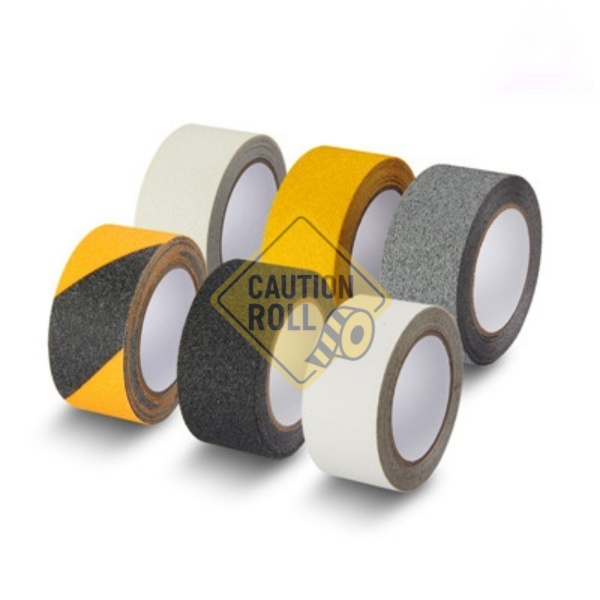
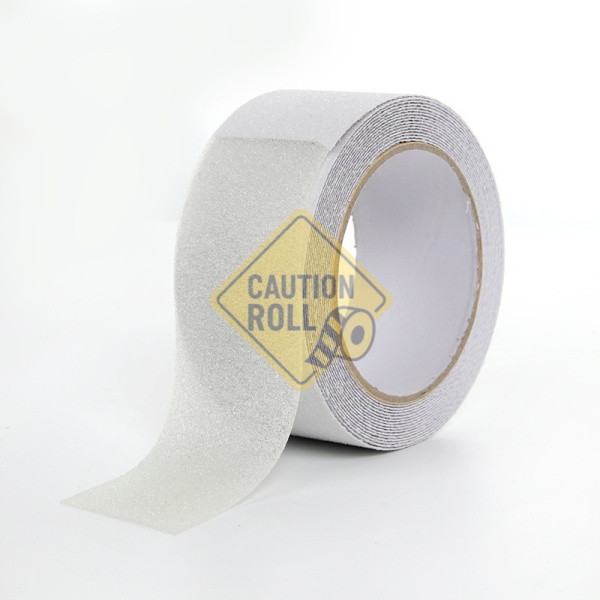
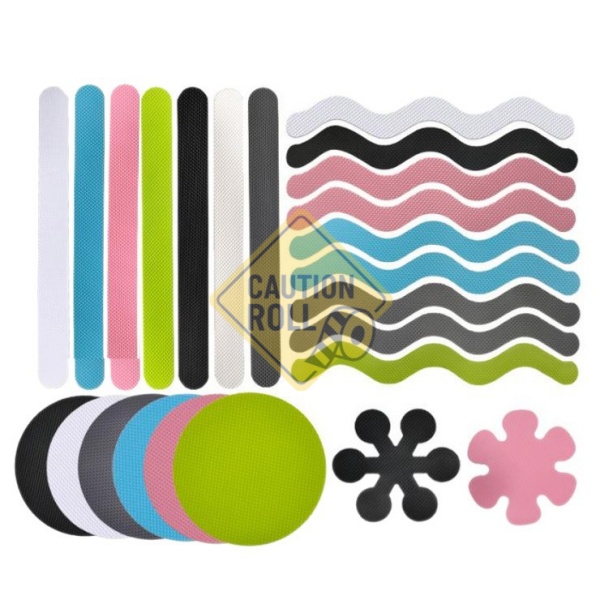
Caution Roll Company is a non slip grit tape manufacturer supplying abrasive traction tape for industrial stairs, ramps, loading docks, warehouse walkways, metal platforms, and wet work areas. The range covers standard, coarse, extra coarse, chemical resistant, conformable, roll, tread, cleat, sheet, and die-cut formats. Specifications can be matched to surface condition, contamination level, backing, adhesive, traffic load and edge durability.
Porduct Details
· Widths: 25mm, 50mm, 75mm, 100mm, 150mm, 200mm, and wider slit rolls.
· Lengths: 5m, 10m, 15m, 18.3m, 25m, 60ft, or project-specific rolls.
· Grit grades: 24 grit, 30 grit, 36 grit, 46 grit, 60 grit, and 80 grit.
· Materials: PVC, PET, polyester film, PE, or foil-backed conformable backing.
· Structure: abrasive grit surface, adhesive layer, and release liner.
· Formats: rolls, strips, stair treads, cleats, sheets, and rounded die-cut pieces.
Category Overview
Non slip grit tape is used where a floor, step, ramp, or platform needs stronger walking surface traction without rebuilding the base structure. The working layer is an abrasive grit surface, usually made with aluminum oxide or silicon carbide particles bonded to PVC, PET, polyester, or conformable backing. A pressure-sensitive adhesive and release liner support installation after cleaning and drying.
A dry indoor stair may need abrasive non slip tape with 60 grit or 80 grit. A dock ramp, oily step, or outdoor access route may need a deeper profile because mud, grease, diesel, sawdust, or metal shavings can reduce shallow grip.
Product Range / Covered Products
Caution Roll Company supplies rolls, strips, stair treads, cleats, sheets, and die-cut parts for maintenance, dock repair, OEM steps, and repeated ramp dimensions. For multi-area upgrades, non slip high traction safety tape can use matching width, grit grade, liner direction, and tread shape.
| Product Series | Better Working Condition | Risk to Check |
|---|---|---|
| Standard Grit, 60/80 grit | Dry stairs and clean walkways | May clog in grease, mud, or debris |
| Coarse Grit, 36/46 grit | Wet entries, oily steps, loading docks | Width may miss full boot contact |
| Extra Coarse, 24/30 grit | Outdoor ramps, snow, mud, heavy debris | Harder to clean indoors |
| Chemical Resistant / Conformable / Die-Cut | Oil exposure, diamond plate, OEM panels | Edges, raised patterns, and corners need checking |
Selection Guide
Start with the surface, then choose grit and adhesive. Smooth metal needs oil removal, rust removal, dry wiping, and roller pressure. Concrete should be checked for powdering, moisture, loose particles, and old coating failure. On old concrete, a small test piece is useful because weak surface dust can fail before the grit surface wears out.
For clean indoor traffic, 60 grit and 80 grit are easier to clean. For wet entries, dock edges, workshop steps, and oily areas, coarse non slip tape with 46 grit or 36 grit gives more bite. For mud, snow, sand, heavy debris, or outdoor access, 30 grit and 24 grit extra coarse surfaces are more suitable. The roughest grade is not always best; cleaning, comfort, liquid exposure, and edge lift risk also matter.
| Material / Glue Choice | Better Condition | Check Before Bulk Use |
|---|---|---|
| PVC + acrylic adhesive | General stairs, ramps, warehouse walkways | Edge lift after 24-72 hours |
| PET / polyester + acrylic adhesive | High-traffic passages | Smooth, dry, stable surface |
| Foil-backed / solvent acrylic / rubber option | Raised metal, outdoor, oily, or difficult surfaces | Roller pressure, oil removal, heat, residue |
Benefits
· Adds walking surface traction without replacing stairs, ramps, platforms, or dock surfaces.
· Offers 24/30/36/46/60/80 grit choices for clean, wet, oily, muddy, and heavy-traffic conditions.
· Matches substrates through PVC, PET, polyester, foil-backed structures, and adhesive options.
· Helps reduce edge lift with cleaning, roller pressure, rounded corners, and edge sealing.
· Supports sample testing on metal, concrete, sealed wood, coated floor, and diamond plate.
When Is Coarse or Extra Coarse Grit the Better Choice?
Extra coarse non slip tape is usually considered when the walking surface is not clean during normal use. Mud, water, oil mist, sawdust, snow, metal dust, and workshop debris can sit between the shoe and tape surface. A heavier grit profile gives work boots more contact points. For loading docks, outdoor ramps, wet entrances, and metal stairs, also check cleaning frequency, footwear, traffic level, and possible edge impact from carts, pallets, or wash-down cleaning.
TDS / Technical Range
| Item | Typical Range / Customizable Value |
|---|---|
| Surface Structure | Aluminum oxide grit, silicon carbide grit, mineral abrasive grit |
| Grit Grade | 24 grit, 30 grit, 36 grit, 46 grit, 60 grit, 80 grit |
| Backing Material | PVC, PET, polyester film, PE, foil-backed conformable option |
| Adhesive System | Solvent acrylic, pressure-sensitive acrylic, aggressive adhesive, rubber option |
| Thickness Range | Around 0.75-1.6mm depending on backing, grit, and adhesive layer |
| Common Width | 25mm, 50mm, 75mm, 100mm, 150mm, 200mm, wider slit rolls |
| Roll Length | 5m, 10m, 15m, 18.3m, 25m, 60ft, customized length |
| Product Form | Roll, strip, stair tread, cleat, sheet, die-cut piece |
| Field Test Reference | 24-72 hour sample adhesion check under actual traffic and contamination conditions |
| Custom Parameters | Width, length, grit, backing, adhesive, color, shape, printing, liner, edge sealing |
Applications
· Factory stairs, metal steps, equipment access steps, and maintenance platforms.
· Warehouse walkways, mezzanine access, pedestrian routes, and picking-area passages.
· Loading docks, dock ramps, truck access steps, and heavy foot traffic entries.
· Wet industrial floors, wash-down zones, food processing passages, and drainage-adjacent walkways.
· Oily work zones exposed to lubricant, diesel, fuel, metal shavings, or workshop debris.
· Diamond plate, ladders, machine panels, outdoor steps, and OEM traction parts.
Customization Options
Custom specification should begin with the application surface and expected exposure. Clean indoor stairs may use a 50mm or 100mm standard grit roll. Dock ramps, oily steps, outdoor platforms, and wet access points often need wider rolls, deeper grit, rounded corners, or edge sealing. OEM pieces can be cut to drawing size, corner radius, liner direction, and installation sequence.
Adjustable parameters include grit grade, grit material, backing, adhesive, width, length, color, warning stripe, printed marking, release liner, sheet size, tread shape, cleat shape, and edge treatment. Helpful details include substrate type, traffic level, cleaning method, water or oil exposure, application temperature, primer allowance, and whether a 24-72 hour sample test is required.For deciding where abrasive traction material should be used alongside visual floor lines, review the warehouse and factory floor safety marking solution.
How Should the Surface Be Prepared Before Applying Non Slip Grit Tape?
Surface preparation directly affects long-term tape performance. Before applying non slip grit tape, metal, concrete, sealed wood, or coated floor should be dry, stable, and free from dust, oil, grease, loose paint, rust, and moisture. Porous concrete or rough wood may need primer or sample adhesion testing. Diamond plate and curved metal steps may need conformable backing. After placement, firm roller pressure helps adhesive wet out. In wet zones, outdoor stairs, wash-down areas, and oil-exposed walkways, rounded corners and edge sealing help stop water, dirt, or oil from working under the tape.
FAQ
What grit level is suitable for oily or muddy areas?
Oily, muddy, or debris-covered areas usually need 46 grit, 36 grit, 30 grit, or 24 grit instead of standard grit.
Can non slip grit tape be applied to concrete and metal stairs?
Yes. The surface should be clean, dry, stable, and free from dust, oil, rust, and loose coating.
When is edge sealing recommended?
Use edge sealing for wet areas, outdoor stairs, wash-down zones, oily surfaces, loading dock edges, and repeated edge impact.
Can the tape be supplied as rolls, treads, cleats, or die-cut pieces?
Yes. Width, length, grit grade, color, backing, adhesive, liner, and shape can be adjusted.