
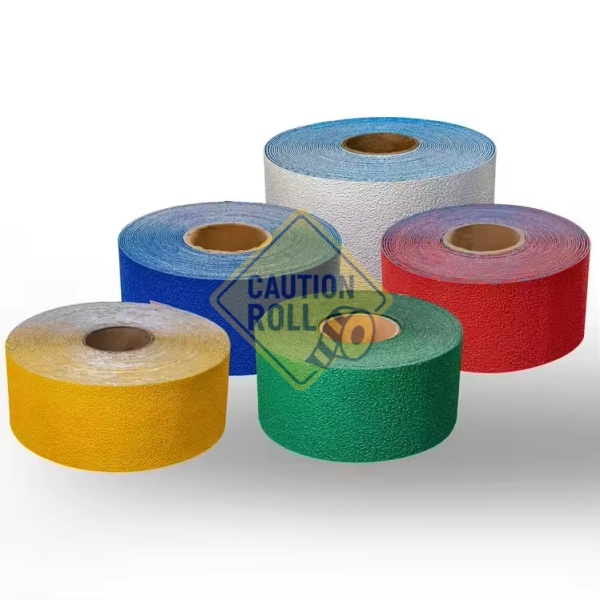
Temporary Road Striping Tape (2)
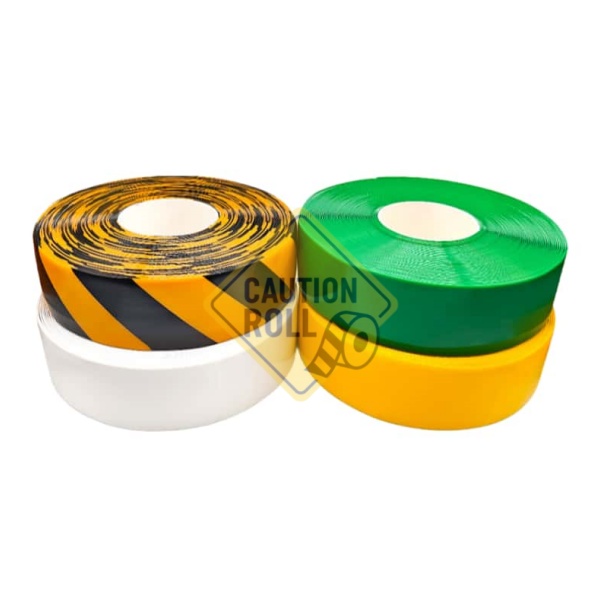
Caution Roll Company is a temporary road striping tape manufacturer for roadwork, parking lot rerouting, work zone lane shifts, and short-term traffic diversion. This category includes white and yellow temporary line tape, temporary traffic marking tape, removable pavement marking tape, wet reflective tape, and black cover tape for old road lines. It is built for asphalt and concrete projects where fast installation, visible lane guidance, edge-lift control, cleaner removal, and project-specific sizes must be confirmed before supply.
Porduct Details
· Size range: 100mm / 150mm / 200mm widths, 50m-100m rolls.
· Colors: white, yellow, black, and project colors.
· Materials: synthetic rubber, foil backed film, aluminum backing.
· Structure: glass beads, gritty surface, removable adhesive.
· Custom items: thickness, width, length, bead level, symbols.
· Supply forms: slit rolls, bulk rolls, arrows, words, parking layouts.
Category Overview
Temporary road striping tape is used when traffic lines must be installed quickly and removed after a project stage. Unlike warehouse floor tape or warning tape, this category is made for outdoor pavement, vehicle movement, temporary lane guidance, and short-term traffic control. The key check is whether the line stays readable after tire pressure, turning movement, rain exposure, and removal.
For roadwork, resurfacing, lane shifts, and temporary roadway delineation, temporary line striping tape should be tested on the actual surface before bulk installation. Rough asphalt, exposed aggregate, cracked concrete, damp pavement, dust, oil, and loose sand can reduce adhesive contact. A short trial strip, pressed by tamping or roller pressure, helps inspect edge lifting, bead loss, breakage, and adhesive transfer.
Product Range / Covered Products
This category includes white and yellow line tapes for temporary lane guidance, reflective tapes for construction zones, removable pavement marking tape for cleaner removal, wet reflective options for night or rainy traffic, and black cover tape for masking old markings. These products are often planned together because a temporary layout may need new visible lines and old-line covering.
Product Series
| Product Series | Main Use | Selection Notes |
|---|---|---|
| White Temporary Line Tape | Lane lines, edge guidance | 100mm / 150mm / 200mm widths |
| Yellow Temporary Line Tape | Centerline changes, lane separation | Match project drawings |
| Removable Pavement Marking Tape | Lane shifts, staged roadwork | Large-piece removal, low residue |
| Wet Reflective Tape | Rainy regions, night work | Glass bead or profiled surface |
| Black Cover Tape | Covering old lines | Matte non-reflective surface |
Selection Guide
Selection should start with site conditions, not only roll size. For short parking lot changes, event routes, or low-speed layouts, standard removable tape may be enough if the pavement is flat, clean, dry, and stable. For active roadwork with trucks, turning tires, or longer stages, temporary construction striping tape with reinforced backing and stronger pressure-sensitive adhesive is usually safer.
Wet reflective tape is better for night work, rainy areas, or routes where headlights must catch the line after water exposure. Black cover tape should be included when existing markings do not match the new route. A frequent field problem is installing new white or yellow lines while old lines remain visible.
Material / Adhesive Selection Comparison
| Material / Adhesive Type | Better For | Risk If Misused |
|---|---|---|
| Synthetic rubber backing | Flexible surface contact | Needs firm pressing on rough asphalt |
| Foil backed film | Short-term hand application | May lift on wet or dusty pavement |
| Reinforced removable structure | Staged traffic changes | Excessive for short parking layouts |
| Black non-reflective surface | Masking old lines | Poor match may leave lines visible |
| Higher tack adhesive | Heavier traffic | More removal effort or residue |
Benefits
· Creates temporary lane lines without paint curing time on suitable clean dry pavement.
· Supports work zone traffic diversion, parking lot rerouting, resurfacing, and staged construction.
· Reflective glass beads improve daytime visibility and nighttime reflectivity.
· Removable adhesive helps reduce residue, ghost marks, and pavement damage.
· Black cover tape reduces confusion when old markings conflict with temporary traffic flow.
How Should Temporary Road Striping Tape Be Selected for Different Road Projects?
Temporary road striping tape should be selected according to traffic speed, project duration, pavement condition, visibility requirement, and final removal method. For active work zones and lane shifts, reflective temporary pavement marking tape with glass beads helps drivers recognize white or yellow lane lines in daytime, nighttime, and wet-weather traffic. On rough asphalt, exposed aggregate, cracked concrete, or damp pavement, check a trial strip after tamping, roller pressure, and tire pressure.
TDS / Technical Range
| Item | Typical Range / Customizable Value |
|---|---|
| Product category | Temporary road striping tape / removable pavement marking tape / black cover tape |
| Standard width | 100mm / 150mm / 200mm / 4 inch / 6 inch / custom slit width |
| Roll length | 50m-100m / 50 yd-120 yd / project-specific length |
| Thickness range | 0.5-1.5mm depending on backing and surface structure |
| Backing material | Synthetic rubber / foil backed film / aluminum backing / reinforced removable structure |
| Adhesive type | Pressure-sensitive adhesive / removable adhesive / project-specific tack level |
| Surface structure | Reflective glass beads / wet reflective profile / anti-skid gritty surface |
| Application surface | Asphalt surface / concrete surface / bituminous pavement / clean dry roadway surface |
| Application temperature reference | Around 10 C-38 C depending on surface and adhesive |
| Removal target | Large-piece removal / low residue / reduced ghost mark / reduced pavement damage |
| Test reference | Trial application / tamping check / tire-pressure edge-lift observation / night visibility check |
Applications
· Roadwork lane shifts during resurfacing, repair, overlay, or staged construction.
· Temporary lane line installation before permanent markings are restored.
· Parking lot temporary striping for events, maintenance, resurfacing, or layout changes.
· Black line masking when existing markings conflict with the temporary route.
Customization Options
Caution Roll Company can adjust temporary traffic marking tape specifications around project drawings, pavement conditions, and removal expectations. Common options include 100mm, 150mm, and 200mm widths, 50m-100m roll length, 0.5-1.5mm thickness, white/yellow/black color, glass bead density, anti-skid texture, backing structure, and adhesive tack level.
For bulk supply, useful details include pavement type, service period, traffic speed, weather exposure, night-use requirement, old-line covering need, and removal standard. For arrows, letters, or parking symbols, confirm dimensions and viewing direction before cutting to reduce trimming, reversed layouts, inconsistent line width, and material waste.
When Is Removable or Black Cover Tape More Suitable Than Standard Temporary Line Tape?
Removable road striping tape is more suitable when the temporary line must be removed after resurfacing, traffic diversion, or staged construction. Instead of grinding or repainting, a removable structure allows the tape to peel off in large sections while reducing adhesive residue, ghost marks, and surface damage. Black cover tape hides existing white or yellow markings that no longer match the new traffic flow. For complex work zones, plan white or yellow temporary line tape with black cover tape and check visibility under headlights before traffic opens.
FAQ
Can temporary road striping tape be used on both asphalt and concrete?
Yes. The pavement should be clean, dry, and stable. Rough asphalt, loose aggregate, cracked concrete, moisture, oil, and dust should be tested first.
What thickness and width are commonly selected?
Common widths include 100mm, 150mm, and 200mm. Thickness usually ranges from 0.5-1.5mm depending on backing, surface texture, traffic condition, and removal requirement.
When should black cover tape be used?
Use black cover tape when old white or yellow lines conflict with a new lane shift or temporary traffic diversion plan. It helps keep drivers focused on the active line system.
How should the tape be checked after installation?
Check edge lifting, tape breakage, bead visibility, adhesion after tire pressure, and night reflection. After removal, check adhesive residue, ghost marking, and pavement surface damage.