
Temporary Pavement Marking Tape
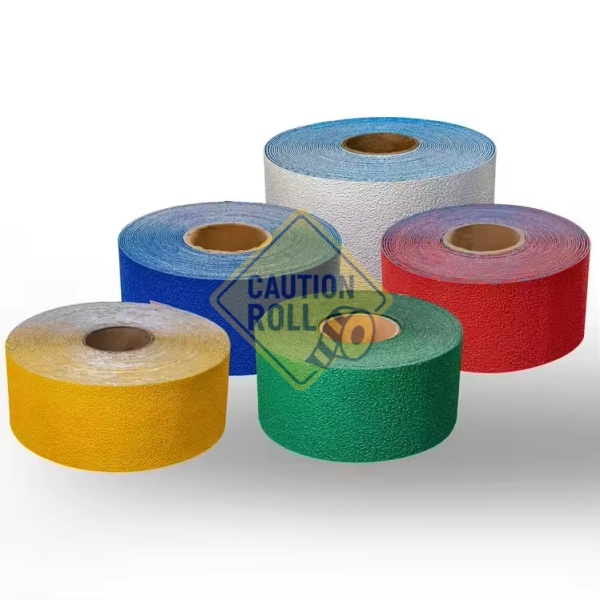
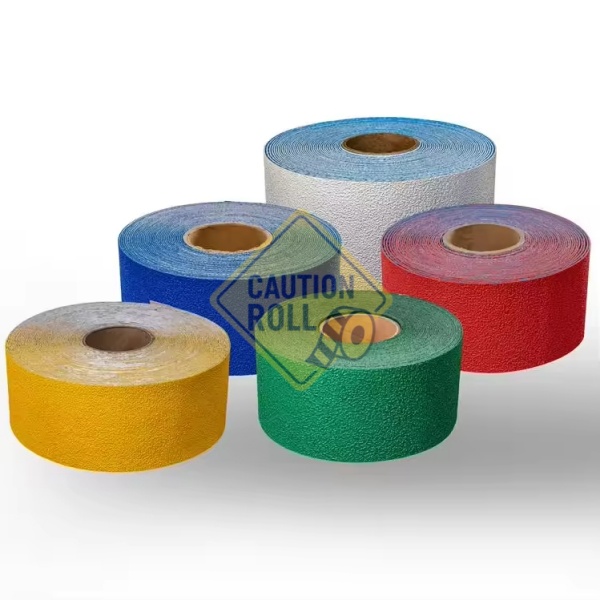 | Temporary Pavement Marking Tape
|
Product Description
Caution Roll Company is a manufacturer of temporary pavement marking tape for roadwork, detours, resurfacing, traffic control, event routing, and short-term lane changes. This removable road marking tape is developed for temporary traffic guidance where paint, thermoplastic markings, or permanent line tape are not the right fit. It provides clear daytime recognition, headlight visibility at night, dry-pavement adhesion, and planned removal after the work phase, with residue risk managed through surface cleaning, firm tamping, inspection, and correct removal angle.
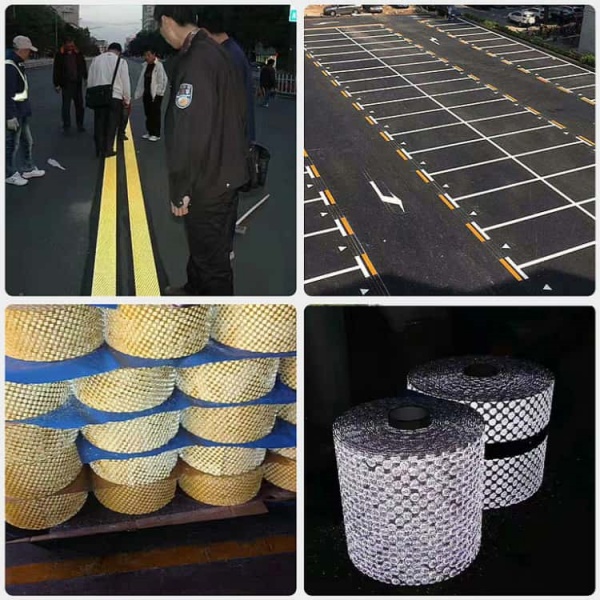
Product Photos
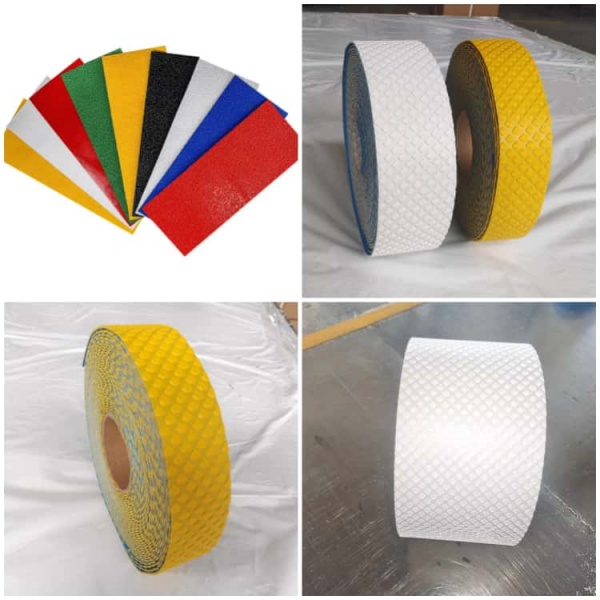
Product Overview
Our temporary pavement marking tape is made for road sections where traffic flow needs to change before the final road layout is restored. It is commonly used on asphalt or concrete during resurfacing work, detour lanes, temporary crossings, event access routes, and staged construction. Instead of acting like permanent thermoplastic road marking tape, this product is built around short-term visibility, reliable temporary adhesion, and controlled removal.
The tape uses a removable pressure-sensitive adhesive backing that develops stronger contact after firm tamping. For better bonding and lower edge-lifting risk, the pavement should be dry, clean, and free from loose aggregate, oil, dust, weak old markings, and standing water. Factory test reference values include 8-14 N/25 mm initial adhesion, >=45 BPN skid resistance, and a 3-6 month temporary service period under normal roadwork exposure. Rough pavement, high traffic volume, low temperature, long exposure time, or extra surface adhesive may increase removal force and residue risk.
This construction zone marking tape helps drivers follow temporary lane paths in daylight and under vehicle headlights at night. The reflective surface improves line recognition during lane diversion, while the removable backing allows road crews to lift the tape when the temporary traffic plan is finished. After removal, the surface should be checked for adhesive shadow, misleading line traces, or remaining residue before the normal lane arrangement returns.
Benefits
- Helps create short-term lane changes without waiting for paint drying or thermoplastic curing.
- Removable adhesive supports staged traffic layouts during roadwork and detour phases.
- Reflective surface improves daytime recognition and nighttime visibility under headlights.
- Firm tamping helps the adhesive wet out and reduces edge lifting under traffic.
- Suitable for low-speed control areas and selected higher-speed work zones with the right grade.
- Marked areas can usually reopen faster after tamping and edge inspection.
- Removal is easier to control by lifting one edge and pulling upward at about a 90 degree angle.
- Post-removal checking helps reduce adhesive shadow, residue lines, and confusing old traces.
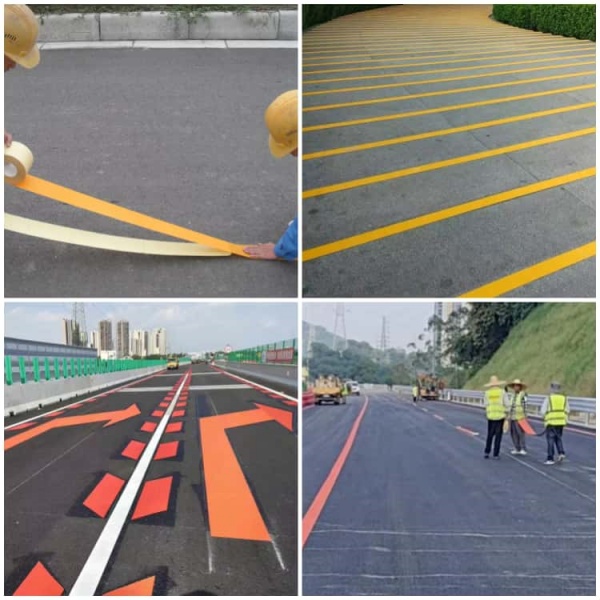
Technical Data Sheet
Item | Typical Value |
Product Type | Removable temporary pavement marking tape |
Surface Structure | Reflective wear layer with glass bead media |
Backing Structure | Foil or reinforced polymer backing, depending on grade |
Adhesive Type | Removable pressure-sensitive adhesive |
Total Thickness | 0.6-1.2 mm factory reference range |
Standard Width | 50 mm, 100 mm, 150 mm |
Standard Length | 25 m, 50 m, 100 m per roll |
Width Tolerance | +/-1.5 mm |
Length Accuracy | +/-1% |
Available Colors | White, yellow, black masking option |
Application Surface | Clean and dry asphalt or concrete pavement |
Application Temperature | 10-40 C recommended surface temperature |
Initial Adhesion | 8-14 N/25 mm factory test reference |
Skid Resistance | >=45 BPN typical reference value |
Initial Retroreflectivity | White >=300 mcd/m2/lx, Yellow >=200 mcd/m2/lx |
Temporary Service Period | 3-6 months under normal roadwork exposure |
Traffic Opening | Usually after firm tamping and edge inspection |
Removal Method | Lift edge and pull upward at about 90 degree angle |
Residue Control | Inspect adhesive shadow, line trace, and loose residue after removal |
Risk Factors | Rough pavement, high-ADT traffic, low temperature, long exposure |
Storage Condition | 15-30 C, dry warehouse, avoid direct sunlight |
Application
- Roadwork lane shifts where temporary lines must guide drivers before final striping.
- Detour routes during resurfacing, utility repair, bridge work, or staged maintenance.
- Temporary traffic control tape for event entrances, site roads, and short-term routing.
- Asphalt and concrete work zones where clean removal and residue checking are required.
- Black masking over outdated markings when temporary line changes need better clarity.
- Short term lane marking tape for controlled traffic plans before final striping is applied.
- Higher-traffic work zones where grade selection, tamping, and inspection need closer control.
- Detachable pavement line tape for projects requiring surface checks after removal.
What Makes Temporary Pavement Marking Tape Different from Permanent Road Marking Materials?
Temporary pavement marking tape is used for controlled, short-term traffic pattern changes rather than long-term roadway striping. It bonds to clean, dry pavement through a removable pressure-sensitive adhesive and is suitable for roadwork, detours, resurfacing phases, event traffic plans, and temporary lane shifts. Unlike thermoplastic markings or painted lines, it does not need curing time and can usually support faster traffic reopening after proper tamping. Its value is not only visibility, but also planned removability. When the work phase ends, road crews should check for adhesive shadow, misleading line traces, or residue before restoring the normal traffic layout.
How Should Removable Pavement Marking Tape Be Applied and Removed to Reduce Residue Risk?
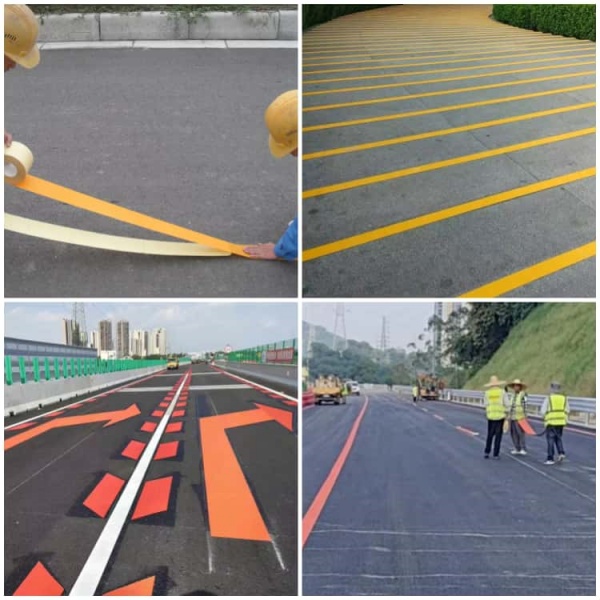
For more stable adhesion and cleaner removal, removable pavement marking tape should be applied only on dry, clean pavement. Loose asphalt particles, dust, oil, poorly bonded old markings, and surface moisture should be removed before installation. After placement, firm tamping helps the adhesive contact the pavement and reduces the chance of edge lifting under traffic. Removal should be planned as part of the traffic control process. A practical method is to lift one edge first, then pull the tape upward at about a 90 degree angle from the pavement. Low temperature, rough aggregate, heavy truck flow, long exposure periods, or added surface adhesive can increase removal force and residue risk, so the road surface should always be inspected after removal.
FAQ
Can this tape be used as a permanent road marking?
No. This temporary pavement marking tape is made for temporary traffic control, roadwork phases, detours, events, and short-term lane changes. It is not a permanent thermoplastic or painted marking replacement.
Does the pavement need to be dry before application?
Yes. The pavement should be clean and dry. Moisture, dust, oil, loose aggregate, and weak old markings can reduce adhesion and increase edge lifting.
Will the tape leave no residue after removal?
It is designed for cleaner removal under recommended conditions, but residue risk depends on pavement texture, traffic load, temperature, service period, and removal method.
Is it suitable for high-speed roads?
It can be used in selected higher-speed work zones when the correct grade, surface preparation, tamping, and inspection plan are used. High-ADT areas need closer monitoring.